
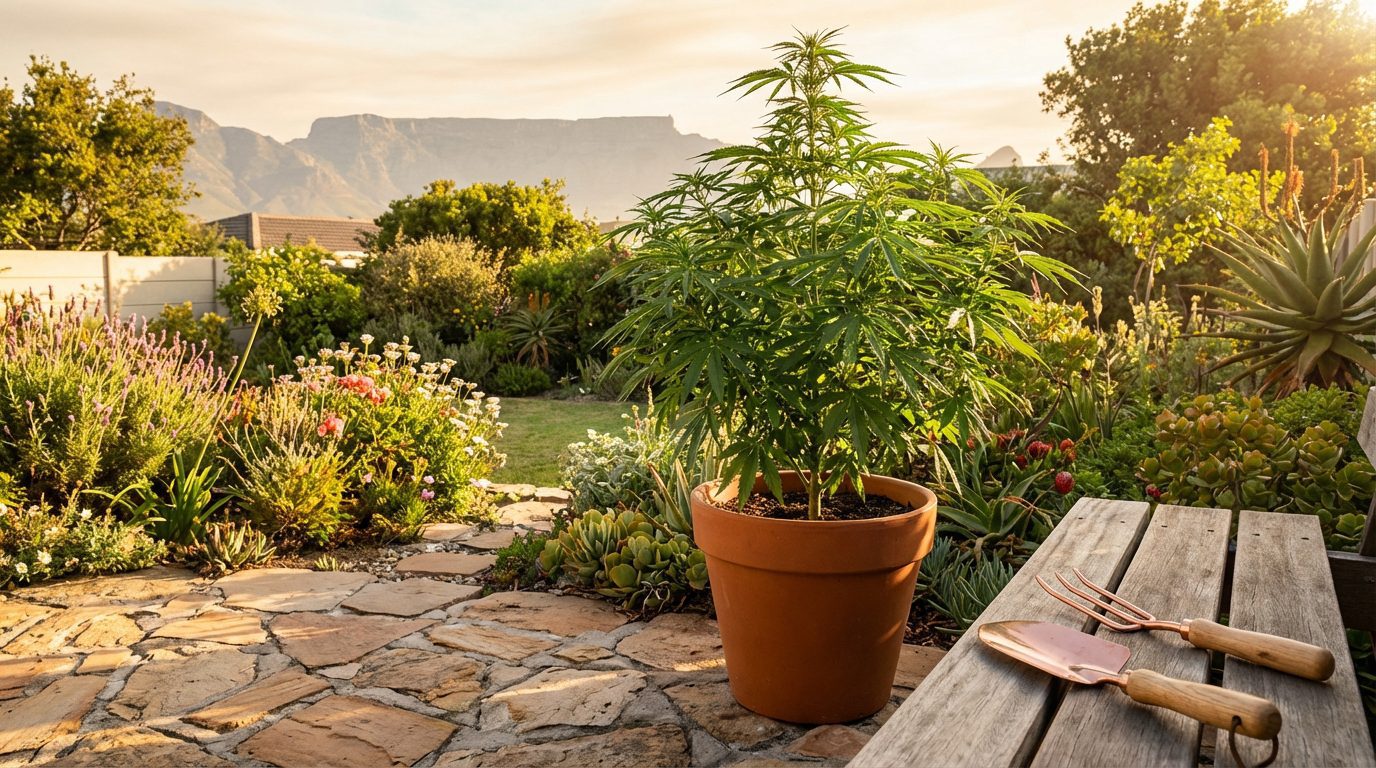
Welcome, future master growers, to the start of a beautifully rewarding journey. If you are reading this Beginner Guide, you have likely decided that it is high time to take your cannabis experience into your own hands. There is an undeniable magic in Growing Cannabis from a tiny, speckled seed into a towering, aromatic masterpiece. Not only is a Home Grow an incredibly therapeutic hobby, but it also guarantees that you know exactly what has gone into your buds—no dodgy pesticides, no mysterious handling, just pure, unadulterated botanical perfection. Here at Dixie Jane, we believe that Cultivation is an art form that anyone can master with a bit of patience, the right knowledge, and a sprinkle of passion. Whether you have a sun-drenched garden in the Western Cape or a discreet little grow tent in a bustling Johannesburg apartment, this comprehensive, step-by-step tutorial will guide you through the process of producing your own pristine cannabis, using good old South African resilience and flair.
Step 1: Choosing Your Grow Space – Indoor vs. Outdoor
Before you even look at seeds, you need to decide where your botanical beauties will live. South Africa is blessed with a phenomenal climate, making outdoor growing a highly attractive and cost-effective option. If you have a secure, private garden that gets plenty of direct sunlight, you can let mother nature do the heavy lifting. However, the outdoors comes with its own set of challenges, including unpredictable weather, pests, and the occasional nosey neighbour.
On the flip side, an indoor Home Grow offers you absolute control over the environment. By utilising a grow tent, LED grow lights, and an extractor fan, you can play Mother Nature yourself, dictating the exact temperature, humidity, and light your plants receive. This method allows for year-round Cultivation, completely independent of the seasons. Of course, South African indoor growers do have to contend with the realities of load shedding, so investing in a backup power solution or choosing resilient genetics that can handle minor light interruptions is always a wise move. Whichever route you choose, ensure your space is clean, secure, and easily accessible.
Step 2: Genetics are Everything – Selecting Your Seeds
The golden rule of Growing Cannabis is simple: your harvest will only ever be as good as your genetics. Finding a random seed at the bottom of your stash jar might seem like a fun experiment, but it is a massive gamble. For a beginner, we strongly recommend investing in high-quality, feminised seeds. Regular seeds have a fifty percent chance of turning out male, and unless you are planning on breeding, male plants are the bane of Cultivation, as they produce pollen instead of the potent flowers you are after.
You will also need to choose between photoperiod and autoflowering strains. Photoperiod plants rely on changes in the light cycle to transition from the vegetative stage to the flowering stage. They can grow massive and yield heavily, but they require strict light management. Autoflowers, on the other hand, will automatically start flowering after a few weeks, regardless of the light schedule. They are generally smaller, incredibly resilient, and absolutely ideal for a first-time Home Grow. Whether you prefer the couch-locking relaxation of an Indica or the energising, creative buzz of a Sativa, select a strain that suits your preferences and your local climate.
Step 3: The Foundation – Soil and Nutrients
Cannabis plants are quite particular about where they sink their roots. Do not simply dig up some hard red earth from the backyard and expect a bumper crop. You need a growing medium that is light, well-aerated, and holds moisture without becoming waterlogged. For beginners, a high-quality, organic potting soil mixed with about thirty percent perlite is an excellent starting point. The perlite ensures proper drainage, preventing the dreaded root rot.
When it comes to feeding, less is often more. It is a common novice mistake to absolutely drown plants in fertiliser, thinking it will supercharge their growth. Instead, this usually results in nutrient burn, which crisps the leaves and stunts the plant. Start with a premium organic nutrient line and follow a conservative feeding programme. During the vegetative stage, your plants will crave nitrogen to build strong, lush green leaves. Once they transition to flowering, their appetite will shift towards phosphorus and potassium to develop dense, resinous buds. Always keep an eye on your pH levels; cannabis in soil thrives at a pH of around 6.0 to 6.5. If the pH is off, your plants will not be able to absorb nutrients, regardless of how much fertiliser you pour in.
Step 4: Popping the Beans – Germination
Now comes the exciting part: bringing your seeds to life. Germination is the process of waking a seed from its slumber and encouraging the primary taproot to emerge. There are several methods, but the classic paper towel technique remains a firm favourite for a Beginner Guide due to its simplicity and high success rate.
Take two unbleached paper towels, moisten them with room-temperature water (ensure they are damp, not dripping wet), and place your seeds between them. Put the damp towels onto a plate, cover them with an inverted bowl to trap the moisture, and store them in a dark, warm place—a kitchen cupboard works wonderfully. Check them daily. Within two to five days, you should see a small, white taproot poking out. Once this root is about a centimetre long, it is time to plant. Gently place the seed, root pointing downwards, into a small indentation in your soil, about a knuckle deep. Cover it lightly with soil, give it a gentle misting of water, and wait for the magic to happen. Within a few days, a tiny green seedling will break the surface, reaching eagerly for the light.
Step 5: The Vegetative Stage – Building the Framework
Once your seedling has established its first set of true, serrated leaves, it officially enters the vegetative stage. This is where your plant focuses all its energy on growing strong stalks and expansive foliage to support the future weight of its buds. If you are growing indoors with photoperiods, set your light timer to 18 hours of light and 6 hours of darkness. If you are outdoors, nature will take care of the schedule.
During this phase, proper watering practices are crucial. Cannabis prefers a cycle of wet and dry. Wait until the top inch of soil is completely dry before watering again. A great trick is the lift test—lift your pot after a thorough watering to feel how heavy it is, and then lift it again a few days later. When it feels remarkably light, it is time for a drink. This is also the perfect time to implement Low Stress Training (LST). By gently bending and tying down the main stem, you expose the lower branches to direct light, encouraging an even canopy and significantly increasing your overall yield. It takes a bit of courage to bend your precious plants, but they are incredibly resilient and will thank you for it later.
Step 6: The Flowering Stage – The Magic Unfolds
If you are growing autoflowers, this stage will begin automatically. For indoor photoperiod growers, you will need to trick your plants into thinking autumn has arrived by switching your light schedule to an even 12 hours of light and 12 hours of uninterrupted darkness. Even a tiny light leak can confuse the plant and cause it to revert to the vegetative state or turn hermaphroditic, so ensure your grow space is pitch black during the resting period.
The first couple of weeks of flowering are known as the stretch. Your plants will undergo a massive growth spurt, sometimes doubling in size. Soon after, small, white, hair-like pistils will begin to emerge at the nodes—these are your future buds forming. As the weeks progress, these buds will swell, and a thick, frosty layer of trichomes will begin to coat the flowers and surrounding sugar leaves. This is where the distinct, pungent odour of Cultivation really kicks in, so if you are growing indoors, a carbon filter is absolutely essential to keep your home smelling fresh and your hobby discreet.
Step 7: The Final Countdown – Flushing and Harvesting
Patience is paramount as you approach the finish line. Do not rush the harvest. The most accurate way to tell if your cannabis is ready is to examine the trichomes under a jeweller’s loupe or a digital microscope. You are looking for a transition in colour: clear trichomes indicate immaturity, milky or cloudy trichomes signal peak THC levels, and amber trichomes suggest a more relaxing, sedative effect. A good rule of thumb is to harvest when mostly cloudy with about ten to twenty percent amber.
About two weeks before your planned harvest date, begin the flushing process. This simply means giving your plants only plain, pH-balanced water, ceasing all fertiliser inputs. Flushing forces the plant to use up its remaining stored nutrients, resulting in a significantly smoother, cleaner-tasting final product. When the glorious day finally arrives, take a pair of sharp, sterilised pruning shears and chop the plant down, either whole or branch by branch.
Step 8: Patience is a Virtue – Drying and Curing
You might be tempted to sample your wares immediately, but skipping the drying and curing process will ruin months of hard work. Hang your trimmed branches upside down in a dark room with a temperature of around 20 degrees Celsius and a relative humidity of fifty to sixty percent. Ensure there is gentle air circulation, but do not point a fan directly at the drying buds. This slow drying process typically takes ten to fourteen days.
You will know they are ready when the smaller stems snap cleanly rather than bending like a piece of string. Once dry, snip the buds from the branches and place them into airtight glass mason jars. This is the curing phase, where the remaining moisture evenly distributes throughout the buds, and the complex flavours and aromas fully develop. For the first two weeks, open (or burp) the jars for a few minutes every day to let excess moisture escape and replenish the oxygen. After that, burp them once a week. A proper cure takes at least four to six weeks, but the resulting smoothness and enhanced flavour are well worth the wait.
Step 9: Preparing and Enjoying Your First Harvest
Congratulations! You have successfully navigated the entire process of Growing Cannabis from seed to spectacular, cured flower. The jars are filled with vibrant green, sticky buds that emit a mouth-watering bouquet of pine, citrus, or earthy funk. Now comes the ultimate reward: rolling up and enjoying the fruits of your labour.
However, when you have spent months meticulously nurturing your plants to produce the perfect flower, the absolute last thing you want to do is obliterate them in a blunt, cheap plastic grinder that tears the plant material and strips away the potency. To truly honour your Home Grow, you need a tool that gently separates your hard-earned buds without destroying those delicate, crystal-like trichomes you worked so tirelessly to cultivate. For this crucial final step, we cannot recommend anything more highly than the Flower Mill, Next Gen Premium, 2.5 Stainless steel. This revolutionary, toothless marvel effortlessly mills your harvest to the perfect, fluffy consistency, ensuring a smooth, flavourful, and pristine vaporising or smoking experience every single time.
Cultivating your own cannabis is a journey of continuous learning. You will make mistakes, you will learn from them, and each harvest will be better than the last. Keep your environment clean, treat your plants with respect, and never stop reading and refining your techniques. Welcome to the wonderful world of home growing with Dixie Jane. May your yields be heavy, your buds be frosty, and your Cultivation journey be forever green!
Keywords: Growing Cannabis, Home Grow, Beginner Guide, Cultivation, Dixie Jane